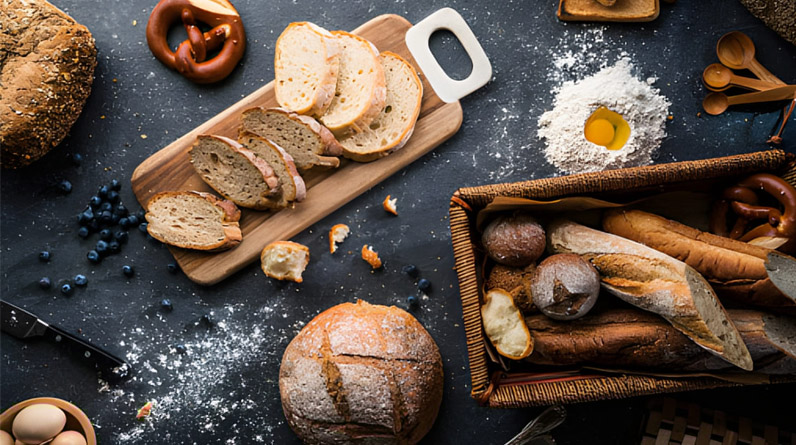






Baking with protein powder seems straightforward until you bite into a dense, rubbery cookie or crumbly muffin. The disappointing results frustrate many beginners, leading them to believe protein powder baking simply isn’t worth the effort. But here’s the truth: successful protein powder baking isn’t about memorizing rules—it’s about understanding the science behind what happens when you heat protein.
This comprehensive guide moves beyond surface-level tips to explore the actual mechanisms that make or break protein baking, equipping you with the knowledge to troubleshoot problems and create consistently delicious results.
Why Protein Baking Fails: The Science Behind Common Mistakes
Before diving into solutions, let’s understand the fundamental problem. Protein powder and flour are fundamentally different substances, and treating them identically produces predictable disasters.
Here’s what happens at the molecular level:
- Protein absorbs moisture aggressively. Unlike flour’s starch, which gradually hydrates, protein powder is like a sponge, pulling liquid from your batter at an accelerated rate. This creates a drying effect that intensifies during baking as heat further denatures the protein structure.
- Heat causes protein denaturation. When proteins reach approximately 140-160°F, their molecular chains unwind and bond in new ways. If this happens too quickly (high oven temperatures), proteins clump together, creating a gritty, tough texture.
- Protein lacks binding structure. Flour contains starch and gluten (in wheat), which create a network that traps moisture and gas bubbles. Protein powder provides neither, making baked goods crumbly and dense without proper substitutions.
- Over-mixing triggers toughness. Stirring activates protein strands similarly to how mixing develops gluten, creating unwanted elasticity and chewiness.
Understanding these mechanisms transforms protein baking from guesswork into intentional chemistry.
Choosing Your Protein Powder: A Decision Matrix
Not all protein powders perform identically in baking. This is where most beginners stumble—selecting a powder without considering how it behaves under heat.
Protein Powder Comparison Table
| Protein Type | Best Texture Result | Taste Profile | Ideal Recipes | Drawback | Beginner-Friendly? |
|---|---|---|---|---|---|
| Whey Concentrate (WPC) | Moist, chewy, fluffy | Clean, flavored | Muffins, pancakes, brownies | Can brown quickly | ✓ Yes |
| Whey Isolate (WPI) | Dry, dense, tough | Neutral (when unflavored) | No-bake energy balls only | Very unforgiving | ✗ No |
| Casein | Moist, cake-like, creamy | Rich, milky | Cheesecakes, breads, cookies | None significant | ✓ Yes |
| Pea Protein | Dense, firm (with moisture added) | Earthy, nutty | Chocolate recipes, dense bars | Gritty texture, strong flavor | ~ Moderate |
| Soy Protein | Dense, grainy | Very nutty | Chocolate, spiced recipes only | Flavor overpowers, grainy | ~ Moderate |
| Whey/Casein Blend | Excellent all-around texture | Smooth, balanced | Any recipe | Higher cost | ✓✓ Best |
The beginner recommendation: Start with whey protein concentrate or a whey/casein blend. These powders are the most forgiving, produce superior textures, and won’t derail your first baking attempts.
The Three-Step Foundation for Perfect Protein Baking
Rather than random tips, successful protein baking rests on three interconnected principles. Master these, and troubleshooting becomes intuitive.
Step 1: Strategic Flour Replacement (The 1/4 Rule)
Never replace more than one-quarter to one-third of flour with protein powder. Here’s why: flour provides structure through starch and gluten; protein provides nutrition. Using excess protein destroys the structural matrix your baked good needs to hold together.
Example calculation:
- Original recipe calls for 2 cups flour
- Maximum protein powder: ½ to ⅔ cup
- Remaining flour: 1⅓ to 1½ cups
Start conservatively—use ¼ cup protein powder and adjust upward after testing. This builds confidence and prevents waste.
Step 2: Moisture Calibration (Counteracting Protein’s Drying Effect)
This is where most beginners fail. They add the same liquid as the original recipe requires, not accounting for protein powder’s aggressive moisture absorption.
Moisture addition formula:
- For every cup of dry ingredients (including protein powder), add ¼ to ½ cup additional wet ingredients
- Wet ingredients include: Greek yogurt, applesauce, mashed banana, pumpkin puree, plant-based milk, or cottage cheese
These additions accomplish two goals: they provide hydration AND introduce fat/protein, which contributes to moisture retention during baking.
Step 3: Temperature and Time Management (Protecting Protein Integrity)
Reducing oven temperature by 25°F might seem minor—it’s actually crucial. This slower heating prevents rapid protein denaturation, keeping your baked goods tender rather than tough.
Temperature adjustment strategy:
- Standard recipe temp: 350°F → Use 325°F for protein baking
- Standard recipe temp: 375°F → Use 350°F for protein baking
- Extend baking time by 5-10 minutes (lower heat = slower cooking)
- Use the toothpick test with caution; protein batters often remain slightly gooey in the center even when done—rely more on edges pulling from sides of pan
Essential Pantry Ingredients for Protein Baking Success
Beyond protein powder, success requires supporting ingredients. Consider these non-negotiable pantry staples:
Moisture Sources
- Greek yogurt (adds protein + moisture + tang)
- Unsweetened applesauce (neutral flavor, gentle sweetness)
- Mashed bananas (adds sweetness + structure)
- Pumpkin puree (subtle flavor, excellent moisture retention)
- Nut butters (adds healthy fats, prevents dryness)
Binding and Structure
- Whole eggs or egg whites (critical for preventing crumbly results)
- Flax eggs (1 tbsp ground flax + 3 tbsp water per egg) for vegan baking
- Oat flour (blend rolled oats) for texture and fiber
Measurement Tools
- Kitchen scale (protein powder scoops vary wildly between brands; weighing ensures consistency)
- Non-stick spray (protein batters are notoriously sticky)
Beginner-Friendly Recipes: A Progressive Difficulty Path

Not all recipes suit protein powder equally. Start with these forgiving options, then progress to more complex bakes.
Level 1: Easiest (Muffins & Brownies)
Why they work: Dense batters forgive imperfect protein distribution, and their short baking times minimize drying.
Example: Basic Protein Muffins
- 1 cup flour + ¼ cup protein powder
- ½ cup mashed banana
- ¼ cup Greek yogurt
- 2 eggs
- ½ cup milk
- 1 tsp baking powder
- Bake at 325°F for 18-22 minutes
Level 2: Moderate (Cookies & Quick Breads)
Why they’re moderate: Require precise moisture balance but reward consistency with excellent results.
Level 3: Advanced (Layer Cakes & Delicate Batters)
Why they’re challenging: Thin batters distribute proteins unevenly, creating texture inconsistencies. Attempt these only after mastering Levels 1 and 2.
Common Problems and Real-World Solutions
Problem: Dry, Dense Texture
Likely cause: Excess protein powder or insufficient moisture
Solution: In next attempt, reduce protein powder by 25% OR add ¼ cup extra applesauce/yogurt
Problem: Gritty, Chalky Taste
Likely cause: Low-quality protein powder with fillers; or overmixing
Solution: Invest in quality powder; mix just until combined, not smooth
Problem: Baked Goods Burning on Top
Likely cause: Whey protein browning too quickly
Solution: Tent with aluminum foil for first half of baking
Problem: Crumbly, Falling Apart Results
Likely cause: Missing binding agent (eggs)
Solution: Always include eggs or flax eggs; use 1 egg per ½ cup protein powder
Storage and Shelf Life: Maximizing Your Protein Bakes
Protein-enhanced baked goods dry faster than traditional treats. Proper storage extends their lifespan significantly.
- Room temperature (2-3 days): Airtight container away from direct sunlight
- Refrigerated (5-7 days): Airtight container or plastic wrap
- Frozen (2-3 months): Individual portions in freezer bags; thaw at room temperature
Pro tip: Store protein powder in a cool, dry place (NOT the refrigerator). Moisture exposure degrades protein quality and introduces clumping.
Key Takeaways: Your Protein Baking Action Plan
- Select whey concentrate or whey/casein blend as your starter powder
- Replace only ¼ to ⅓ of flour with protein powder
- Add ¼ to ½ cup extra moisture per cup of dry ingredients
- Lower oven temperature by 25°F and extend baking time
- Mix gently just until combined
- Start with muffins and brownies before attempting complex recipes
- Troubleshoot methodically rather than changing multiple variables at once
- Invest in a kitchen scale for consistency
Final Thoughts
Baking with protein powder transforms how you approach nutrition without sacrificing enjoyment. The key is understanding the science, selecting appropriate ingredients, and following a progressive learning path. Your first batch might not be perfect—and that’s entirely normal. Each attempt teaches you something new about how protein behaves under heat, moisture, and time.
Start simple, stay consistent, and celebrate small victories. Before long, protein-packed baked goods will feel as natural as traditional treats—and you’ll wonder why you ever hesitated to try.