




Let’s be honest: most low-calorie cookies taste like cardboard dipped in disappointment. The usual suspects are either rock-hard discs that could double as coasters or sad, crumbly messes that fall apart before they reach your mouth. But here’s the thing—it doesn’t have to be this way.
Baking lower-calorie cookies that actually taste good and have that perfect chewy texture isn’t about magic. It’s about understanding what creates texture in the first place and making smart substitutions that won’t sabotage your results. After years of recipe testing and plenty of kitchen failures, I’ve cracked the code on creating cookies that clock in at 50-70 calories each while still delivering that satisfying bite everyone craves.
Understanding What Creates Cookie Texture
Before we dive into substitutions, let’s talk about what makes cookies chewy, crispy, or cake-like. Three main factors control texture: fat content, sugar type, and moisture balance.
Traditional cookie recipes rely heavily on butter (roughly 100 calories per tablespoon) and sugar to create structure and mouthfeel. According to food scientists at the USDA, fat contributes to tenderness by coating flour proteins and preventing gluten development. Sugar, meanwhile, attracts and holds moisture while also contributing to spread and crispness through caramelization.
When you start slashing calories by removing butter and sugar, you’re essentially pulling out the two ingredients responsible for making cookies taste like cookies. That’s why your first attempt at “healthy” cookies probably turned out like hockey pucks. The good news? You can replace these elements with lower-calorie alternatives that perform similar functions.
The Smart Substitution Strategy
Replace Some (Not All) of the Fat
Here’s where most people go wrong: they eliminate all the butter or oil. Don’t do this. You need some fat for flavor and texture, but you can reduce it significantly.
Try replacing half the butter with unsweetened applesauce or mashed banana. One-quarter cup of applesauce contains just 25 calories compared to 400 calories for the same amount of butter. The pectin in fruit purees mimics some of fat’s tenderizing properties while adding moisture. Greek yogurt works brilliantly too, adding protein while keeping cookies soft.
I typically use two tablespoons of real butter for flavor, then make up the rest with applesauce. This gives you that buttery taste without the calorie bomb.
Choose Your Sweeteners Wisely
Sugar alternatives aren’t created equal when it comes to baking. Granulated erythritol and monk fruit blends work well because they provide bulk and can partially caramelize. According to research published in the Journal of Food Science, erythritol has only 0.2 calories per gram versus sugar’s 4 calories per gram, yet it still contributes to browning and structure.
However, use about 25% regular sugar in your recipe. This small amount (maybe two tablespoons in a whole batch) makes a massive difference in texture and only adds 12-15 calories per cookie. The real sugar helps with spread, chewiness, and that golden-brown color that makes cookies look appealing.
Upgrade Your Flour Game
Swapping all-purpose flour for almond flour or oat flour sounds healthy, but it changes everything about texture. Instead, use a blend. Try 75% all-purpose or white whole wheat flour with 25% oat flour. This cuts some calories while adding fiber that actually helps retain moisture.
Oat flour absorbs liquid differently than wheat flour, creating a tender crumb. Plus, the beta-glucans in oats (a type of soluble fiber) help bind ingredients together, reducing the need for extra fat.
The Secret Ingredients Nobody Talks About
Add Protein Powder Strategically
Adding one or two tablespoons of vanilla protein powder to your cookie dough does two things: it boosts protein content (keeping you satisfied longer) and helps with structure. Whey protein in particular can improve browning and create a more substantial texture. Just don’t overdo it—too much protein powder leads to dry, chalky cookies.
Don’t Skip the Egg
Eggs are only about 70 calories each and they’re essential for binding and texture. The proteins in eggs coagulate during baking, providing structure, while the fat in the yolk contributes to tenderness. Some recipes suggest using only egg whites, but whole eggs produce better results. Trust me on this one.
Embrace Moisture Boosters
A tablespoon of honey or pure maple syrup (about 60 calories) goes a long way in keeping cookies moist and chewy. These natural sweeteners are hygroscopic, meaning they attract and hold water. This prevents your cookies from drying out, which is crucial when you’re working with less fat.
Technique Matters Just as Much as Ingredients
Don’t Overbake
Lower-calorie cookies have less fat to protect them from drying out, so they’re more sensitive to overbaking. Pull them from the oven when the edges are set but the centers still look slightly underdone. They’ll continue cooking on the baking sheet as they cool. This typically means 8-10 minutes at 350°F, depending on cookie size.
Chill Your Dough
Refrigerating cookie dough for at least 30 minutes (or up to 24 hours) does something magical. It allows the flour to fully hydrate, creating a better texture. It also solidifies whatever fat you’re using, which slows spreading and creates thicker, chewier cookies. This technique works even better with lower-fat recipes.
Size and Spacing Count
Make your cookies slightly smaller than usual—about one tablespoon of dough each. Smaller cookies have a better crispy-edge to chewy-center ratio, and you can enjoy two cookies for fewer calories than one jumbo cookie. Space them about two inches apart on the baking sheet to allow for even heat circulation.
A Tested Formula That Actually Works
After countless batches, here’s my go-to ratio for cookies around 60 calories each: Use two tablespoons butter plus three tablespoons applesauce for the fat. Combine three tablespoons regular sugar with one-third cup erythritol blend for sweetness. Use one cup all-purpose flour mixed with one-quarter cup oat flour. Add one whole egg, one tablespoon honey, a teaspoon of vanilla extract, and your mix-ins (dark chocolate chips are only about 8 calories each if you count them out).
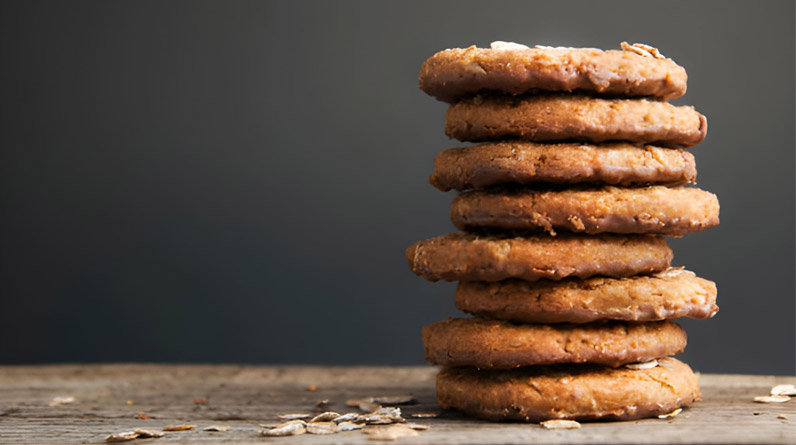
This formula yields about 24 cookies that are genuinely good. They’re soft in the middle with slightly crisp edges, and they actually taste like real cookies—not diet food.
The Bottom Line on Low-Calorie Cookie Success
Creating low-calorie cookies with great texture isn’t about finding one perfect ingredient swap. It’s about understanding the science behind baking and making multiple small adjustments that work together. Keep some fat for flavor and tenderness. Use a blend of sweeteners including a touch of real sugar. Choose moisture-retaining ingredients like fruit purees and honey. And master your baking technique—proper timing and dough chilling are non-negotiable.
The result? Cookies you can actually feel good about eating, without sacrificing the texture and taste that make cookies worth eating in the first place. Your taste buds and your waistline will both thank you.